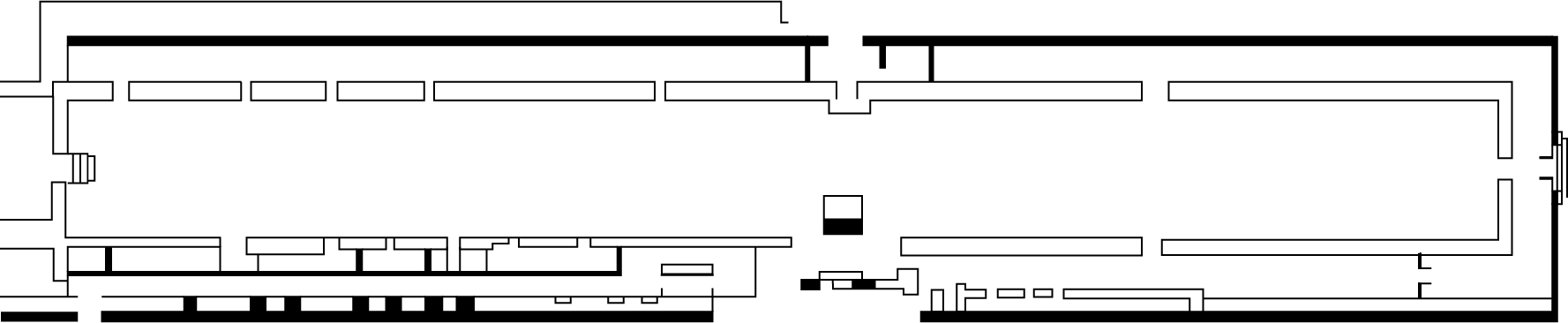
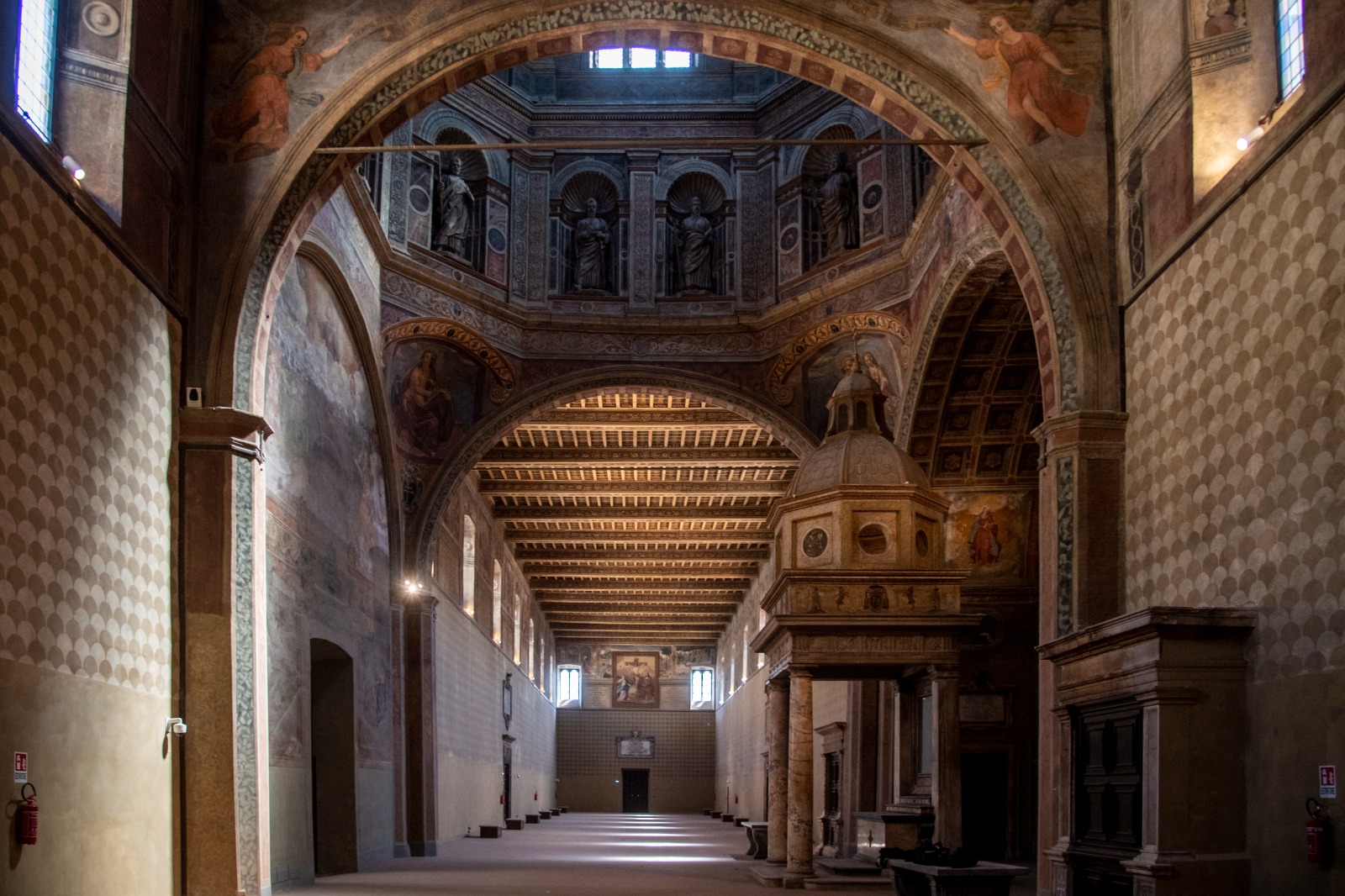
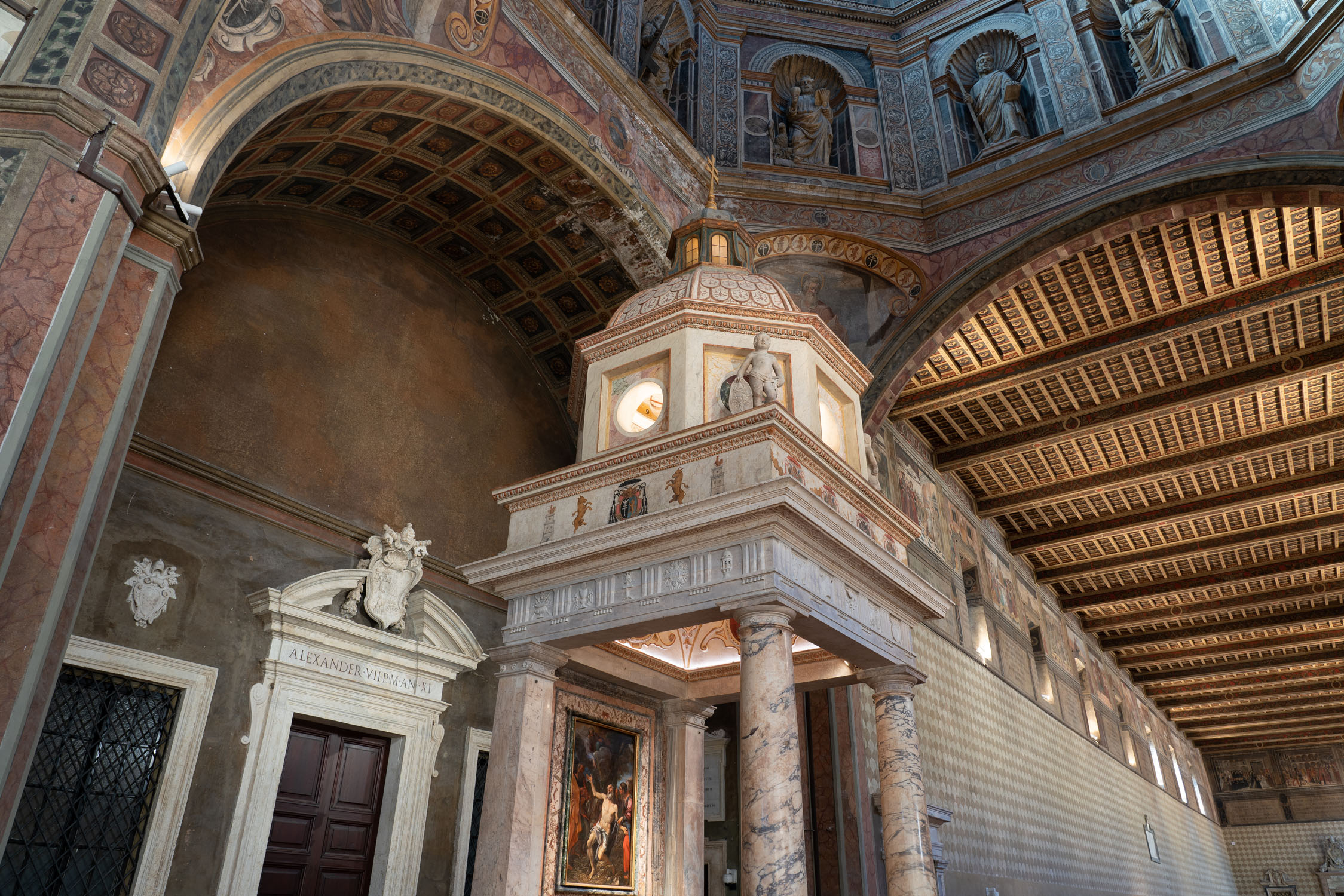
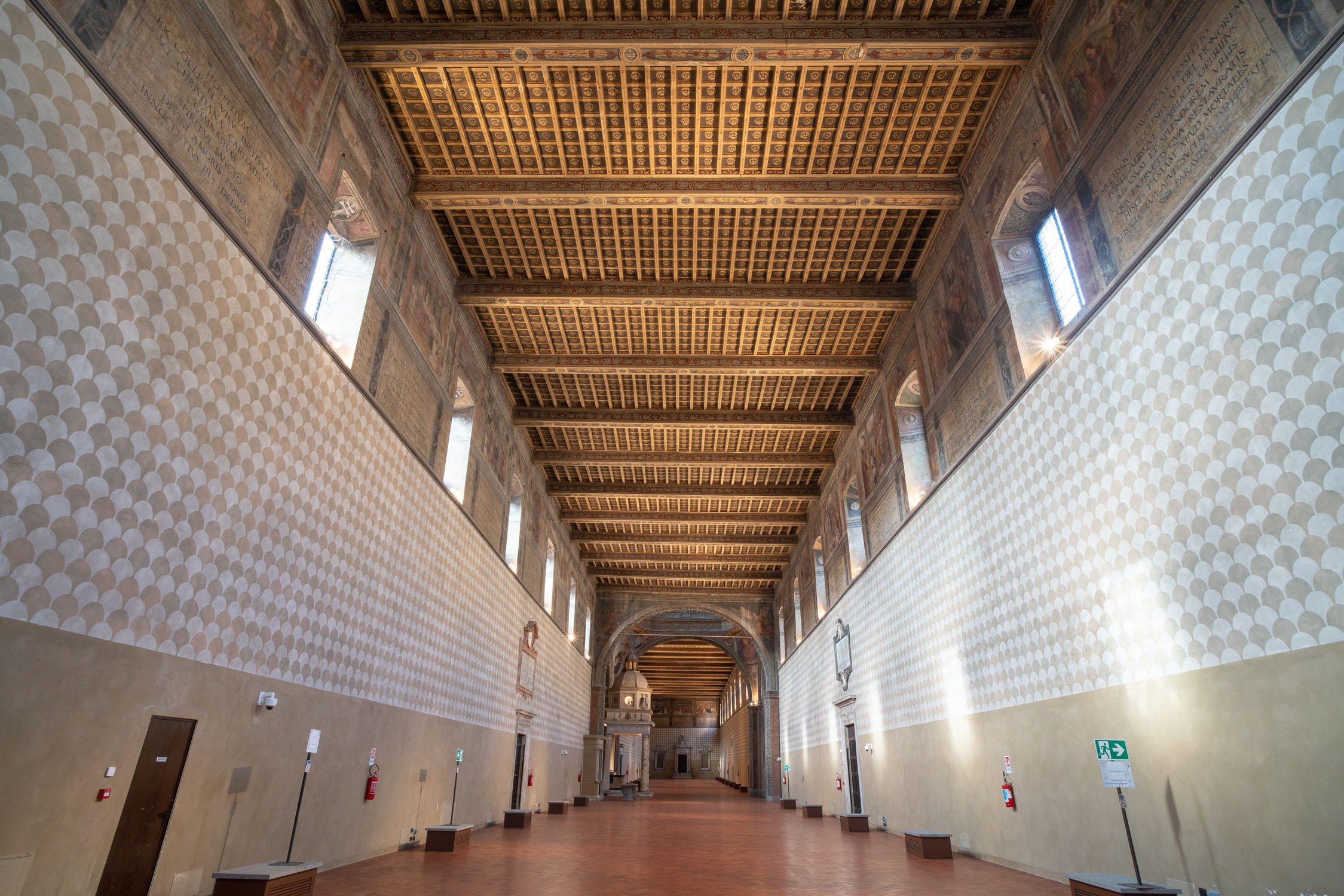
Between 1471 and 1478, Pope Sixtus IV della Rovere renovated the hospital, building upon the pre-existing Innocentine structures. The project was carried out thanks to the designs of Baccio Pontelli and the sculptor Andrea Bregno, giving rise to a new architectural complex later known as the Sistine Wards.
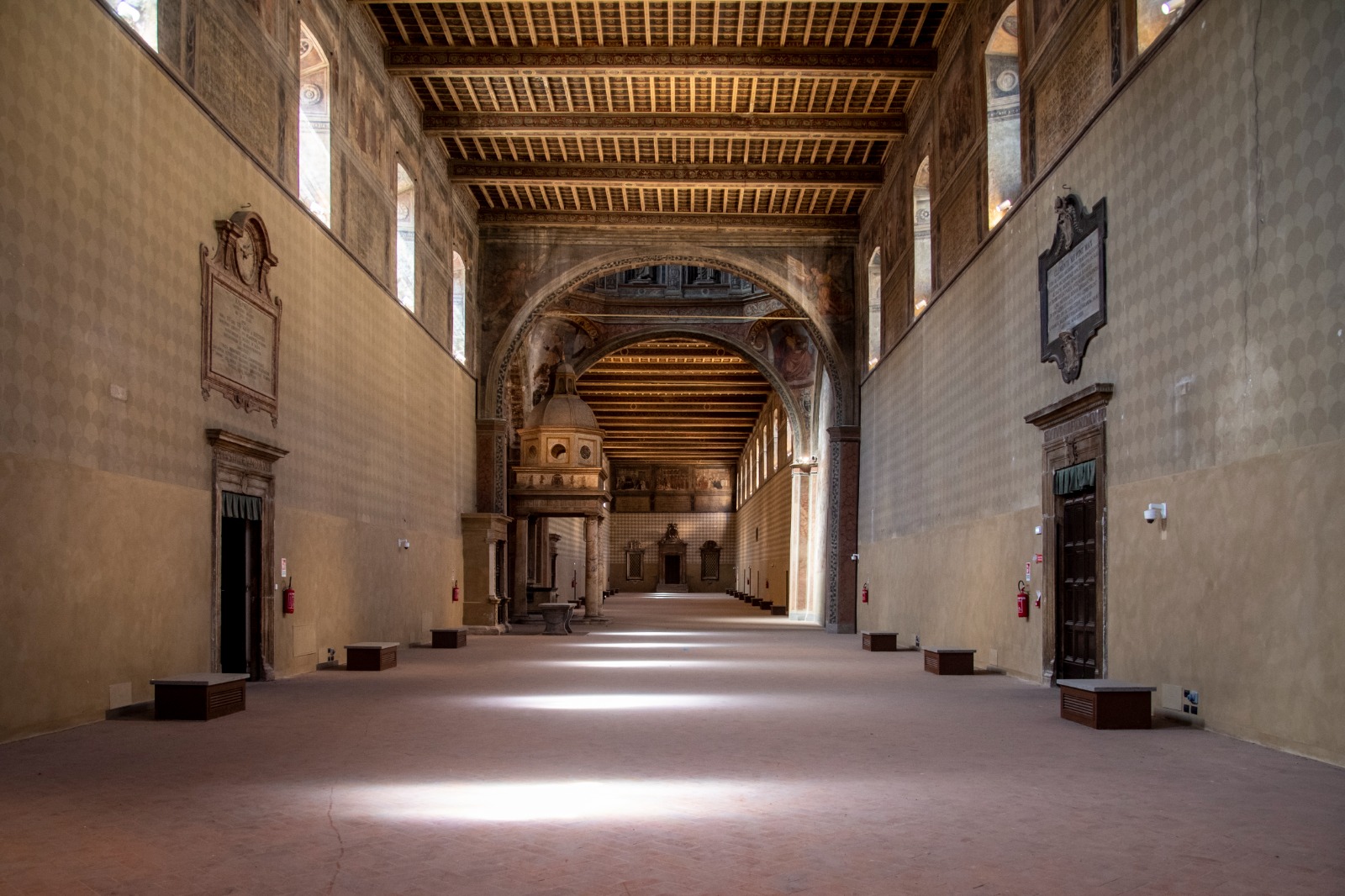
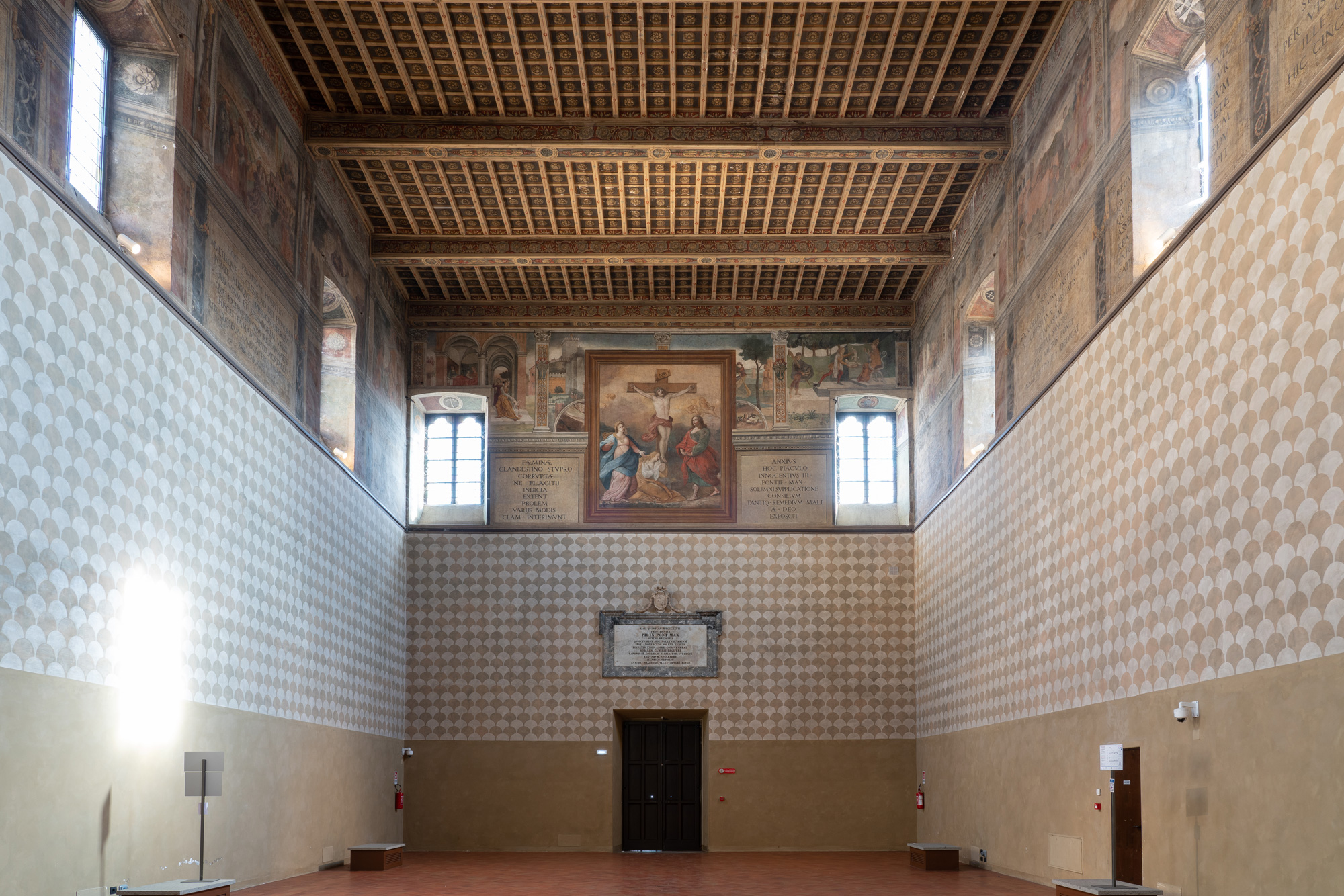
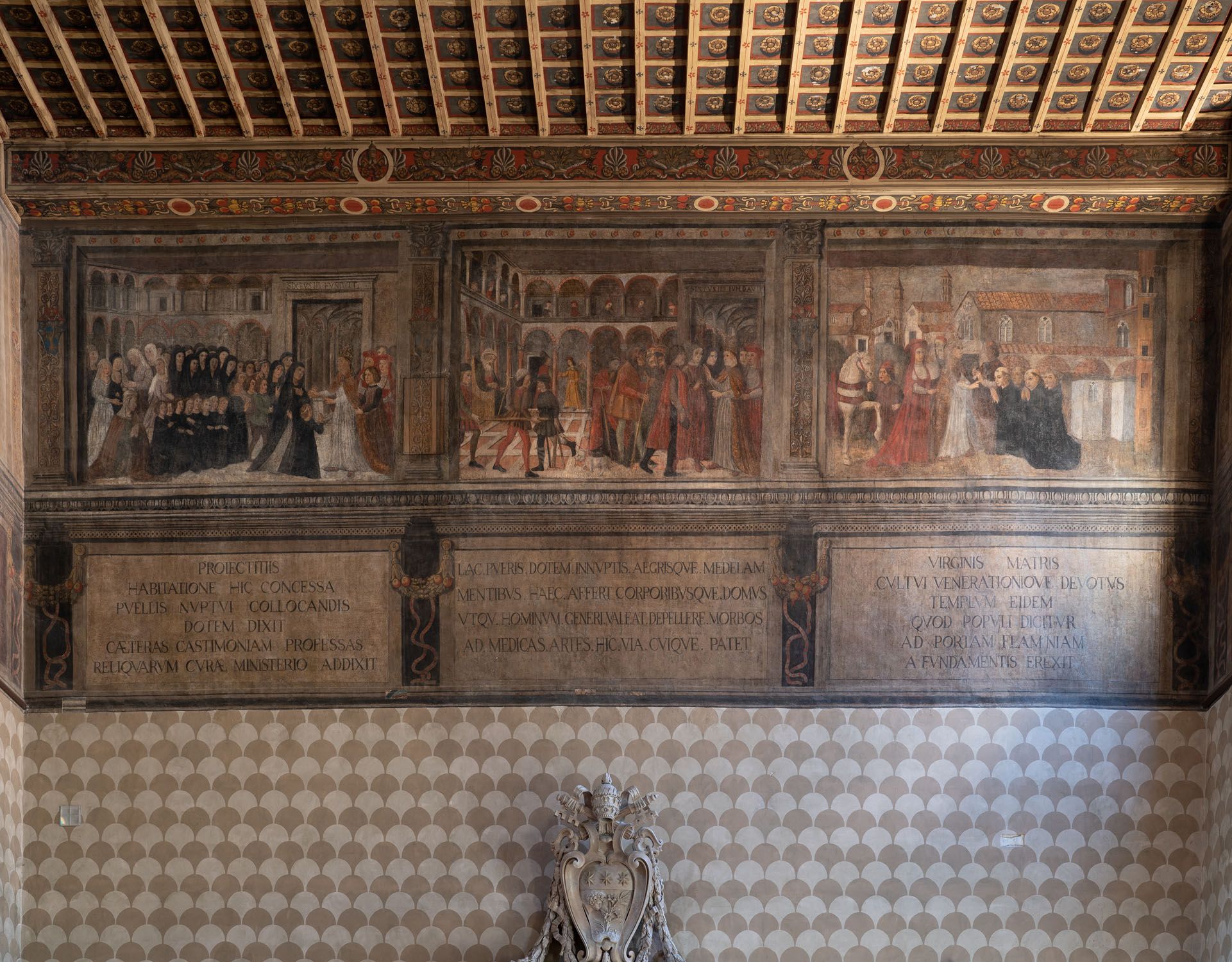
These wards were adorned with a rich cycle of frescoes from the Umbrian-Lazio school, commissioned by the Pope himself, with the aim of narrating the history of the hospital and its founders. The building, measuring 120 meters in length and 13 meters in width, consists of two large wards named after Baglivi and Lancisi, connected by an octagonal tiburio. Beneath it stands an elegant ciborium, the only Roman work by Andrea Palladio, enriched by an altarpiece dedicated to Saint Job, a masterpiece by Carlo Maratti. Until a few decades ago, it would have been possible to see the patients' beds divided into separate male and female areas. For centuries, these wards have been a battleground against endemic diseases, providing care to patients from all social classes. Within the complex, other buildings accommodated single women, known as le zitelle, and abandoned children, referred to as i proietti. Received through the Ruota degli Esposti, still visible on the exterior today, the children were cared for by nuns and wet nurses before being educated and trained in various trades.

Come and discover the Santo Spirito in Saxia Hospital, the oldest hospital in Europe.
The Santo Spirito in Saxia Museum Hub
Borgo Santo Spirito, 3
00193 Roma
© Copyright 2025 Jera srl
All rights reserved. The images and videos on this website are the exclusive property of Jera srl and may not be reproduced, distributed, or used
for any purpose, whether commercial or non-commercial, without prior written authorisation.